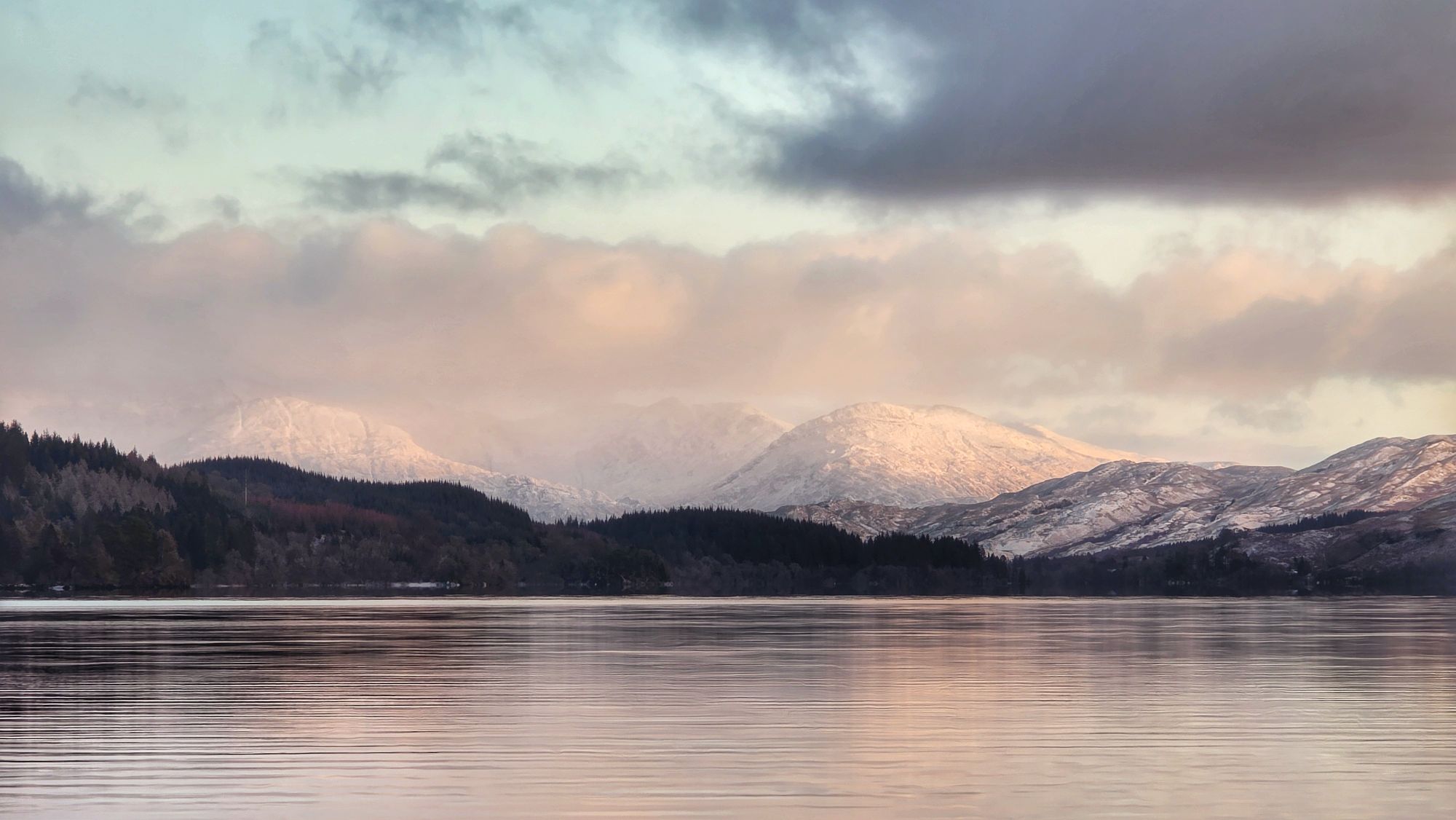
If you have followed my work for any length of time, none of what follows will surprise you. Living close to land, moving with seasons, building life around water and weather rather than walls has been my baseline for years.
The past two years looked different. I stayed longer in one place than I usually would, investing in something shared that ultimately did not stand. When that chapter ended, other events in the same week demanded more from my nervous system than I care to revisit in detail. So I returned to what has always regulated me. Cold water. Long miles. Silence. Scotland. Not as escape, but as practice. Feral Therapy is not theory for me. It is how I live.
My life and my work are not separate things. This is the practice. If you want to understand it properly, you are welcome to come and experience it in person. I guide others into this terrain every year. I will document what it teaches me here as I go.
You are welcome to walk, read, or sit alongside me; whatever speaks to you.
December, and the Leaving
In December 2025 I left again.
Not dramatically, and not in a blaze of slammed doors or tearful goodbyes. I left in the way I always have: methodically, practically, with a spreadsheet in my head and snow forecast on the horizon.
The new vehicle sat outside the workshop, unfamiliar but patient. It was not meant to be just mine, originally. There had been conversations. Plans. A shared northward trajectory sketched in vague, hopeful terms.
But plans shift when people do, and I have learned not to wait for someone to rediscover their courage or realise themselves.
I never fully convert a vehicle straight away. That might sound odd given that I have spent years building and living out of them, but experience has taught me something useful: you do not impose a layout on a machine until you understand how it moves.
Every vehicle has a temperament. Some rattle, some hum, some lean into corners like they are enjoying themselves. You learn their blind spots, their quirks in cold weather, the way condensation settles, where wind sneaks in through seals. Only then do you commit to insulation, shelving, storage systems.
So this was temporary work that simply needed to be sufficient. A bed platform that could be adjusted. Storage crates rather than fitted units. Hooks instead of cupboards. Enough to live well, not enough to be committed.
Inside went a month’s supplies. Not panic buying. Not running away. Just calm, deliberate preparation. Dried goods. Tins. Rice. Lentils. Tea. Always tea.
Water containers and a gravity filter. My tent and bivvy. Cooking options for every mood and weather condition: butane for speed, propane for reliability, a small fire pit for when wood and time allowed, a meths burner for quiet mornings when the world was still frozen and blue. I like redundancy in winter. It is not dramatic, it is sensible.
I packed the year with me. Jars of foraged foods gathered through spring and summer. Dried mushrooms from damp woodland mornings. Syrups made from blossom. Homemade body balms and oils I had rendered from plants, resins and fats collected over months. Things most people buy in plastic bottles; I had made slowly, by hand.
Paper maps, creased and annotated. Online versions downloaded and pinned. I trust technology, but I do not rely on it. Batteries die. Signal disappears. Paper does not.
Celyn watched the whole process with the kind of calm confidence that comes from knowing this ritual well. She has grown up with it. Packing means movement, movement means space, and space means good smells.
This was not new to me. I have done this for years; the leaving, the northward pull. The quiet recalibration that only comes when you remove yourself from the noise of other people’s expectations.
But this one felt different.
The plan had been to move north. That part remained true. What changed was who would be standing beside me when I arrived. Sometimes people step back at the edge of the life they said they wanted. Sometimes they decide the risk was theoretical after all.
So I kept the plan. I just removed the variable.
I did not leave to chase someone. I did not leave to wait for someone. I left because staying where I was had started to feel smaller, and I have no interest in making myself smaller for anyone again.
So, just like I did last time someone reduced me, I headed north.
Snow and Old Water
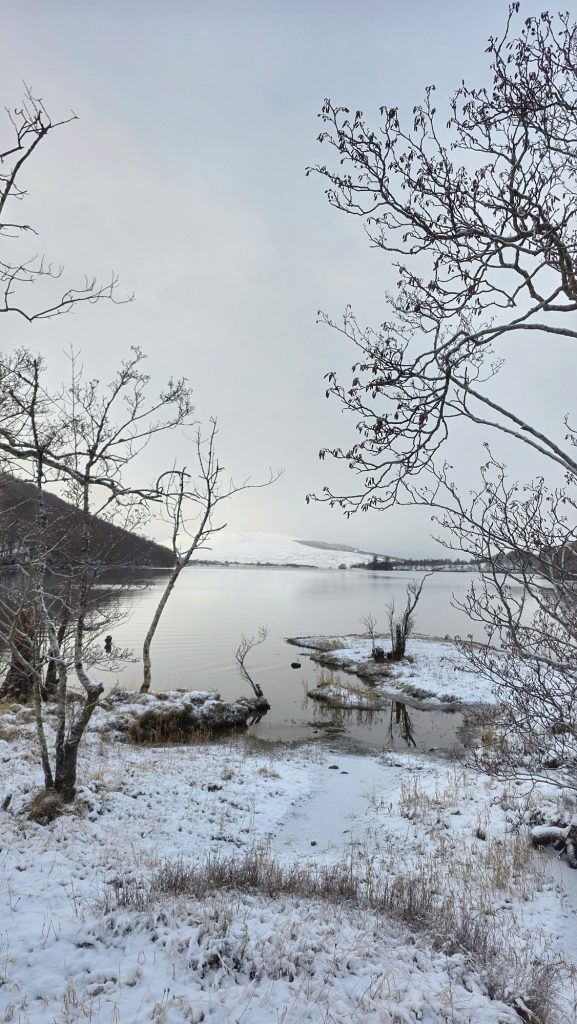
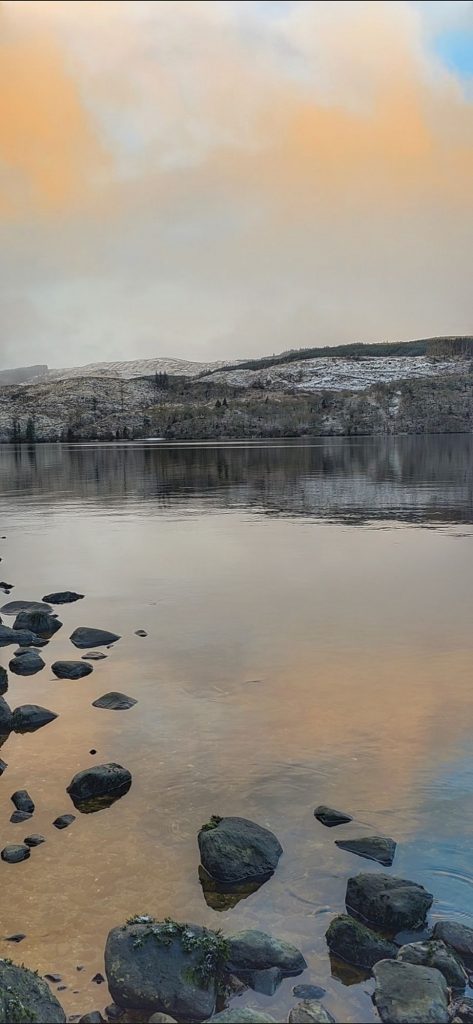
The first night I pulled into a forest park beside the loch. I had arrived here once before at the edge of a different fracture, when what followed became a year of living wild and rewriting everything. I returned years later with hope in convoy behind me, certain we were heading further north together, but the journey stalled before it truly began. Now I was back where it started, alone again, and the road ahead lay open and uncomplicated.
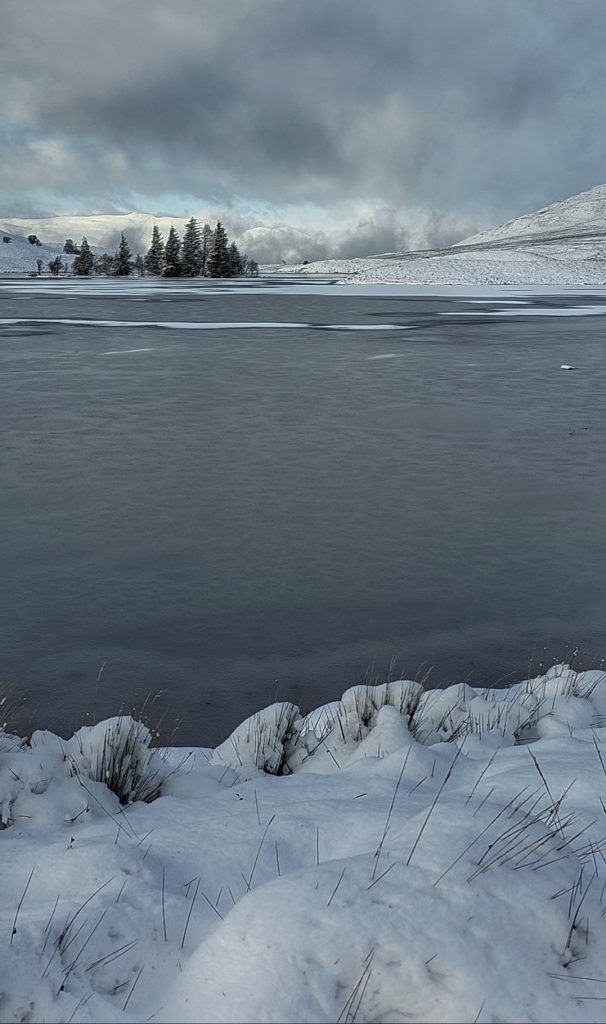
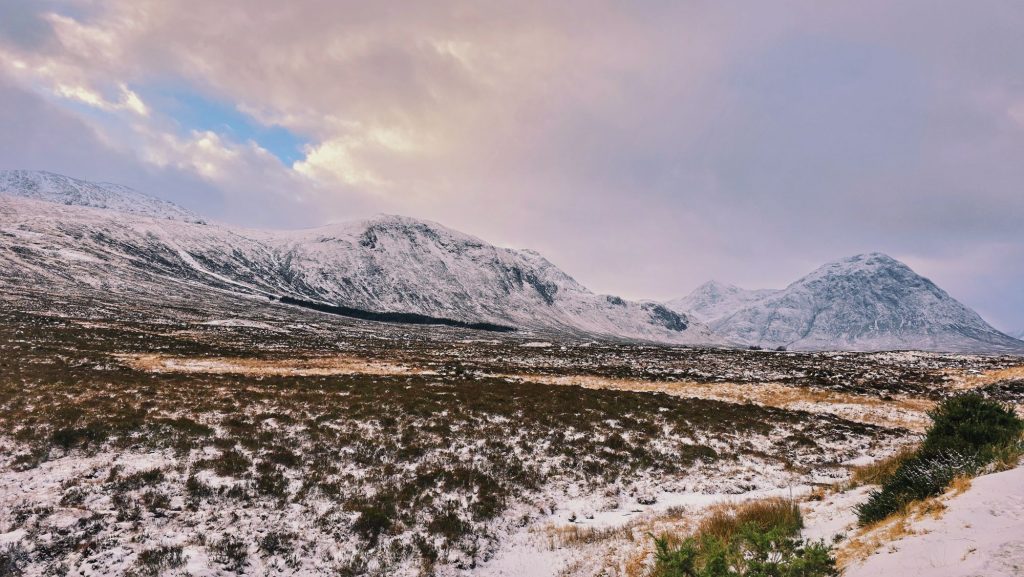
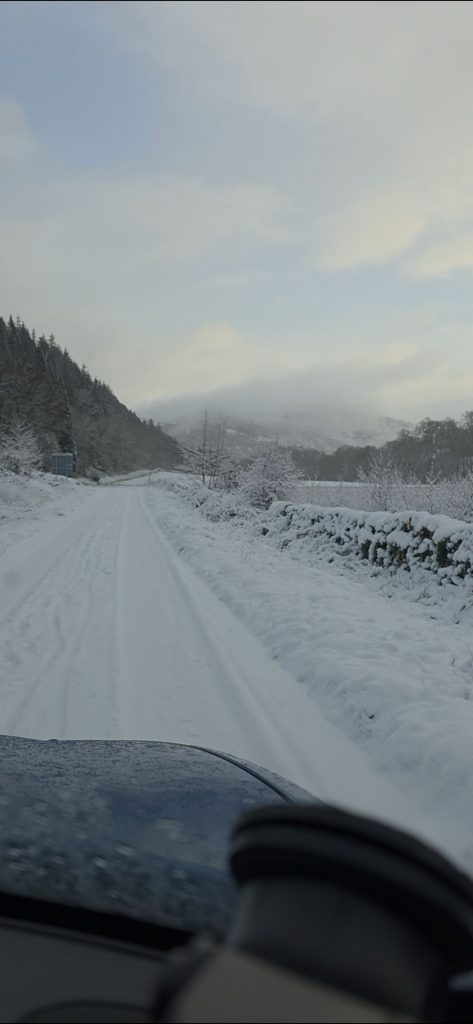
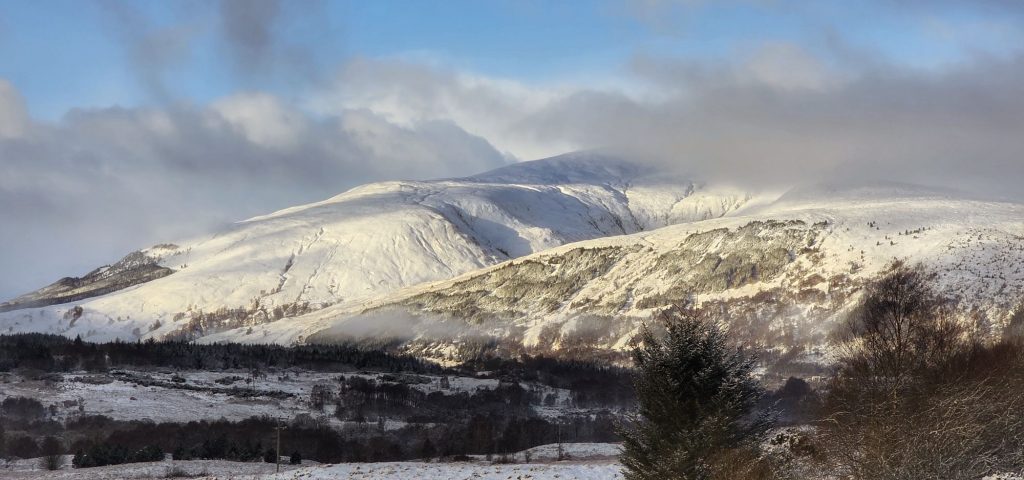
The second day the first proper snow came quickly and softened everything. Roads blurred at the edges, fields became blank pages, and the world looked less certain and more honest.
I drove to an old haunt I had not visited in years. Deliberately, I had never taken him there. Some places are not for sharing when you are not sure the person beside you understands silence.
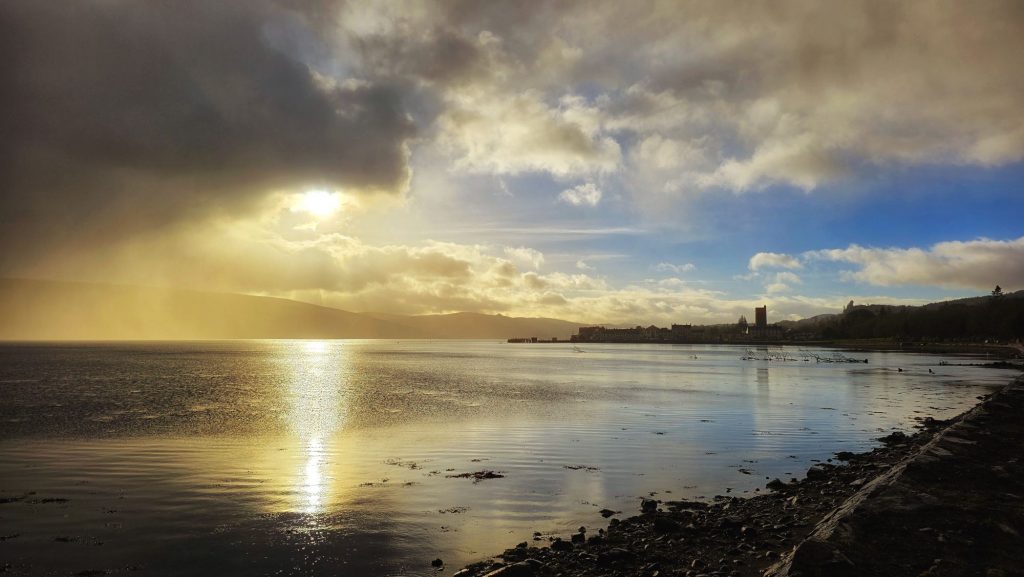
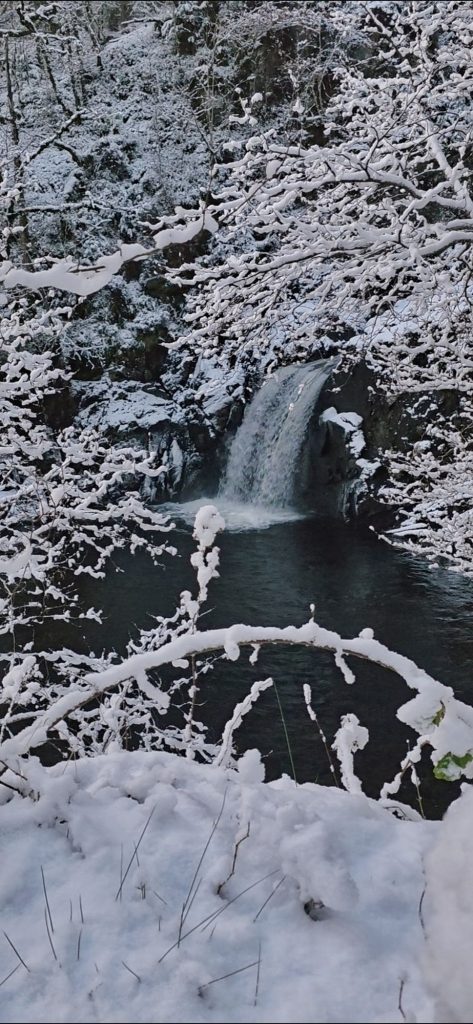
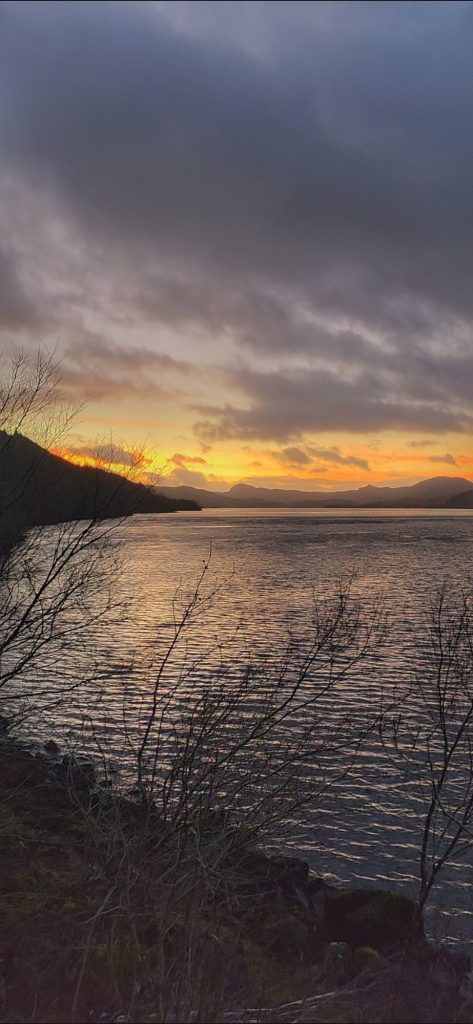
It sits beside a loch that has a way of levelling you. The water is dark and cold and utterly indifferent to your internal drama. Snow fell in slow, steady sheets the first evening I arrived. Pine branches sagged under the weight. The air had that particular stillness that only comes when sound is absorbed by white.
I dipped in the loch the following morning.
There is a moment before full immersion when your body bargains with you. It suggests alternatives: A brisk walk…a cup of tea…perhaps tomorrow.
I stepped in anyway.
Cold water has a way of compressing thought. It strips narrative down to breath and sensation. By the time I climbed back out, skin stinging and lungs sharp, something in me had reset. Not healed, not erased, but steadied.
There is a particular kind of exhaustion that does not come from walking or driving or cold. It comes from holding yourself tightly for too long. From second guessing your own memory. From replaying conversations in which something felt wrong but you told yourself it was nothing.
The loch does not negotiate with that. It simply demands presence. And being fully present is a relief after so long second guessing.
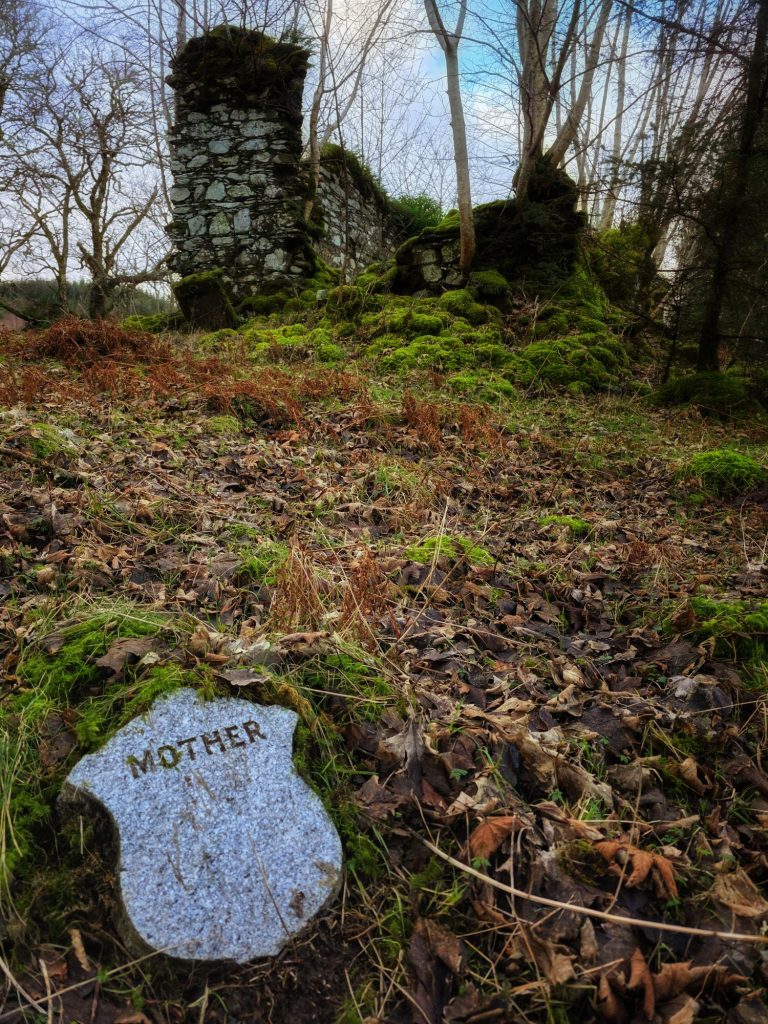
I spent the days walking. To old castles perched stubbornly against weather and time. To small churches that no longer held congregations but still carried presence. To graveyards where names worn thin by lichen spoke of entire lives reduced to carved stone.
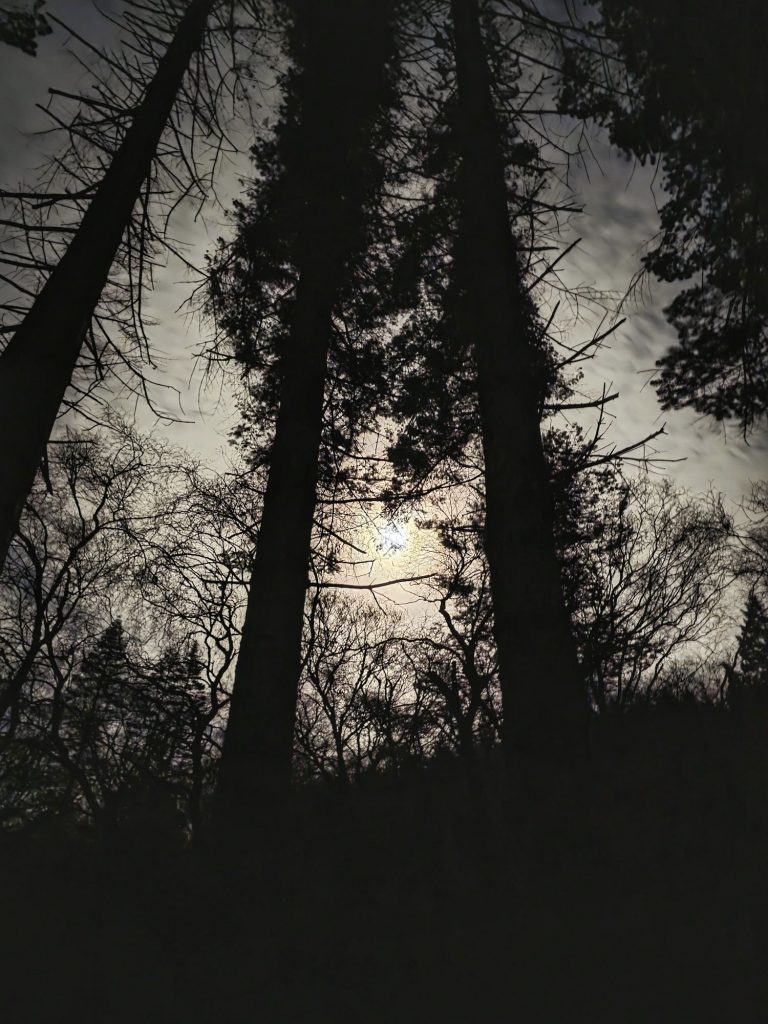
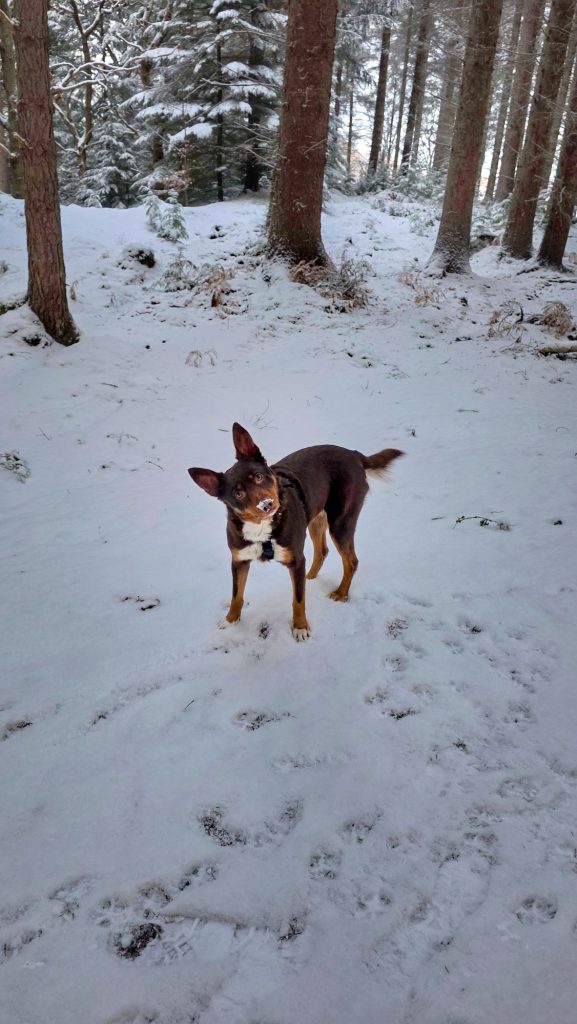
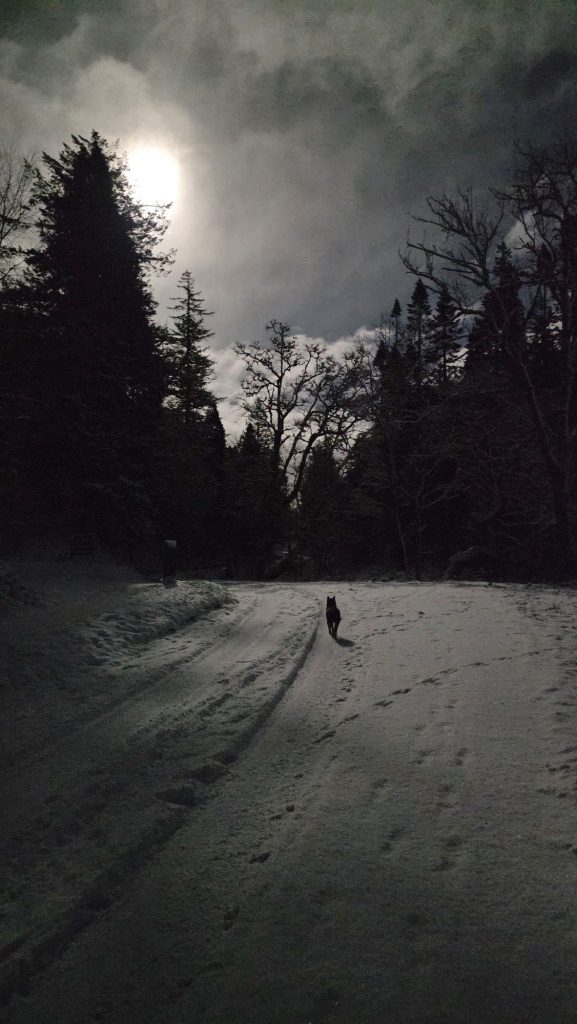
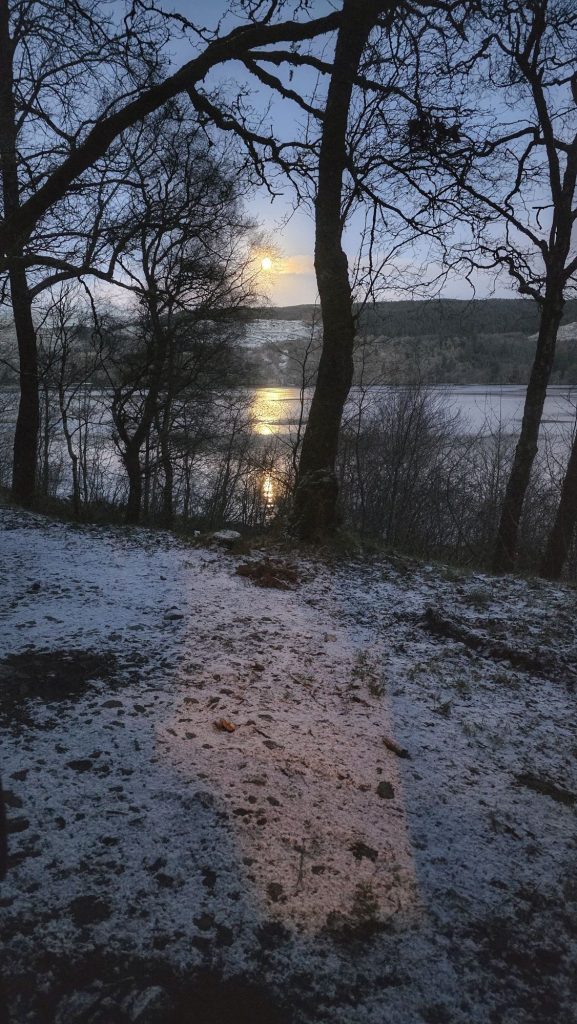
I camped in woodland under a full moon reflected in the loch, the snow glowing faintly blue. Celyn curled into herself beside me, content. There is a peculiar intimacy in winter camping. The world feels smaller, contained within the beam of your head torch and the circle of your fire.
For several days I saw no one.
Complete solitude is a strange thing. At first it feels expansive, then it feels honest. Then, if you stay long enough, it begins to show you exactly what you have been tolerating.
On the fifth day I met a man and his dog near the castle. We nodded at each other first in that unspoken rural code of not intruding. Eventually we exchanged a few words about the snow, about the path conditions, about the beauty of the place. Our dogs performed their brief social ritual, then we continued on in opposite directions.
That was enough.
I did not need intensity. I did not need persuasion. I did not need to be convinced of anything; brief, respectful, and gone. It felt refreshingly simple.
East and the Edge
Eventually we turned east.
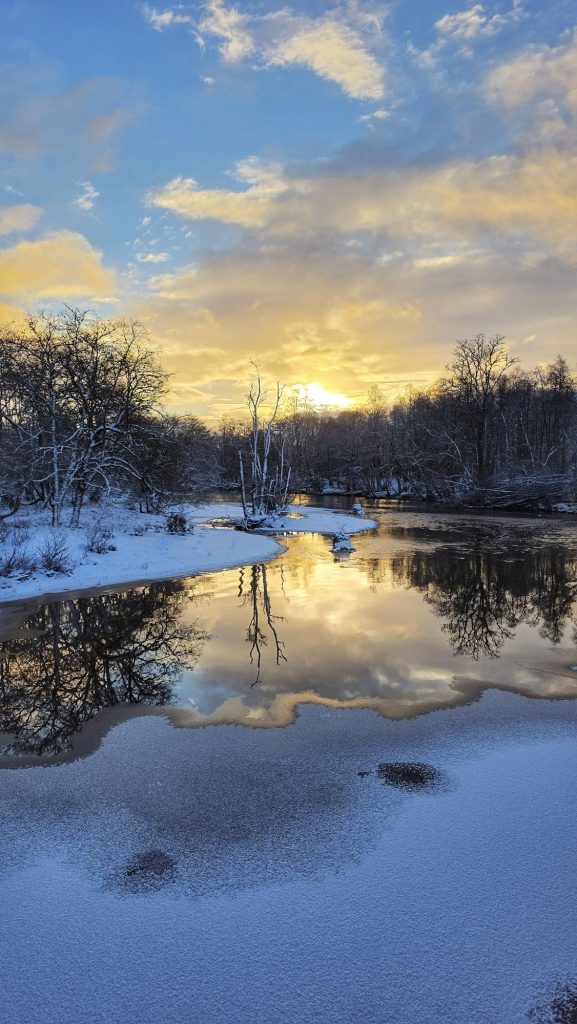
The temperature dropped to –15°C. Proper cold. The kind that tightens skin and freezes breath mid-air. Windows frosted thick from the inside overnight and water containers developed delicate skins of ice.
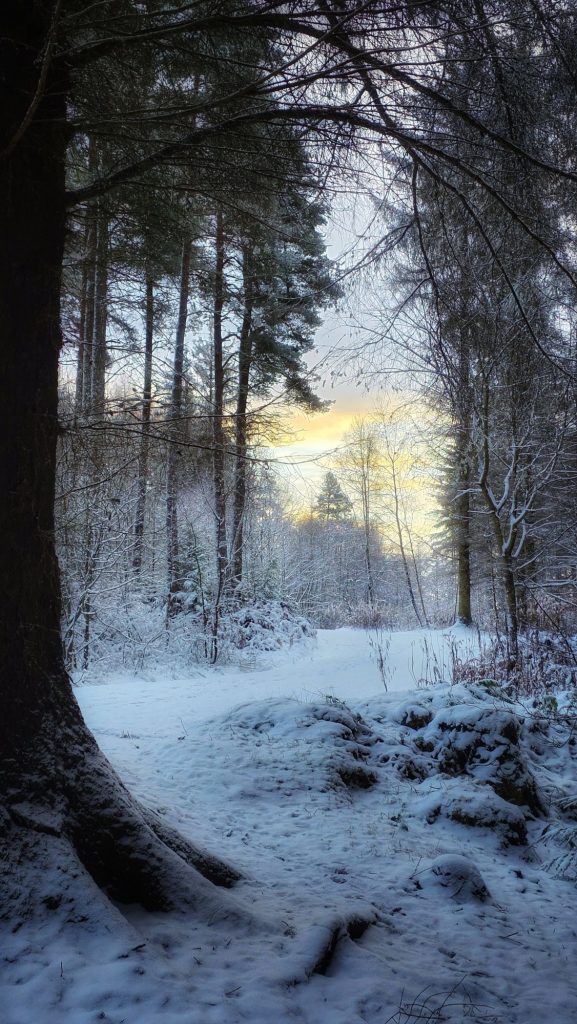
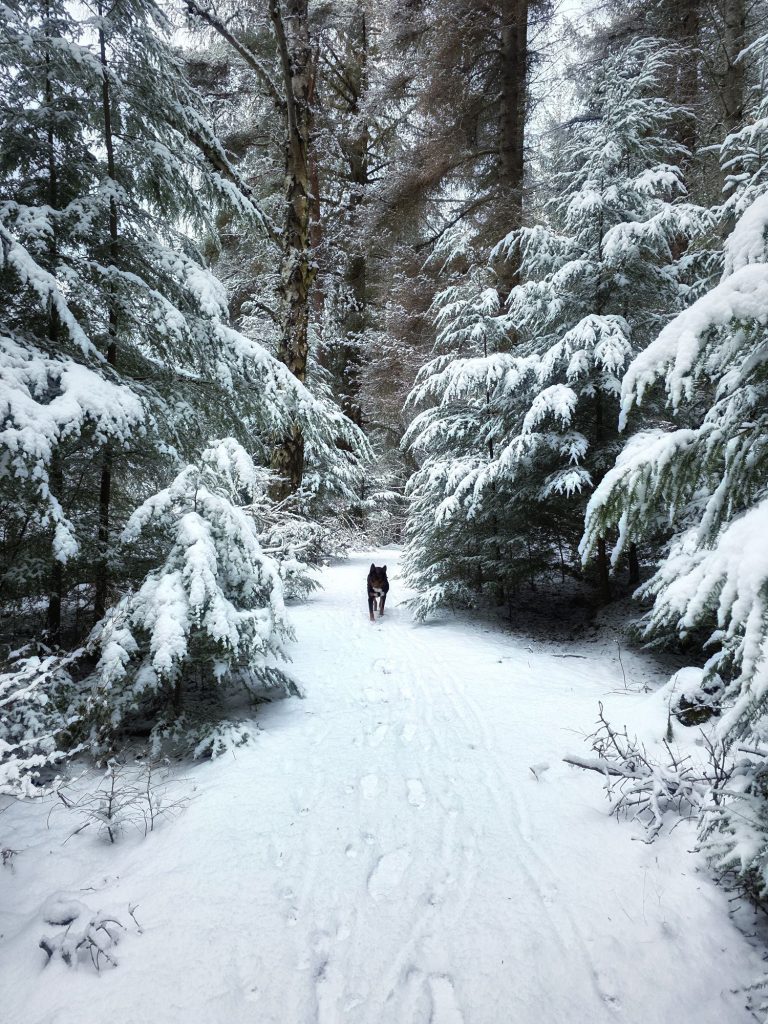
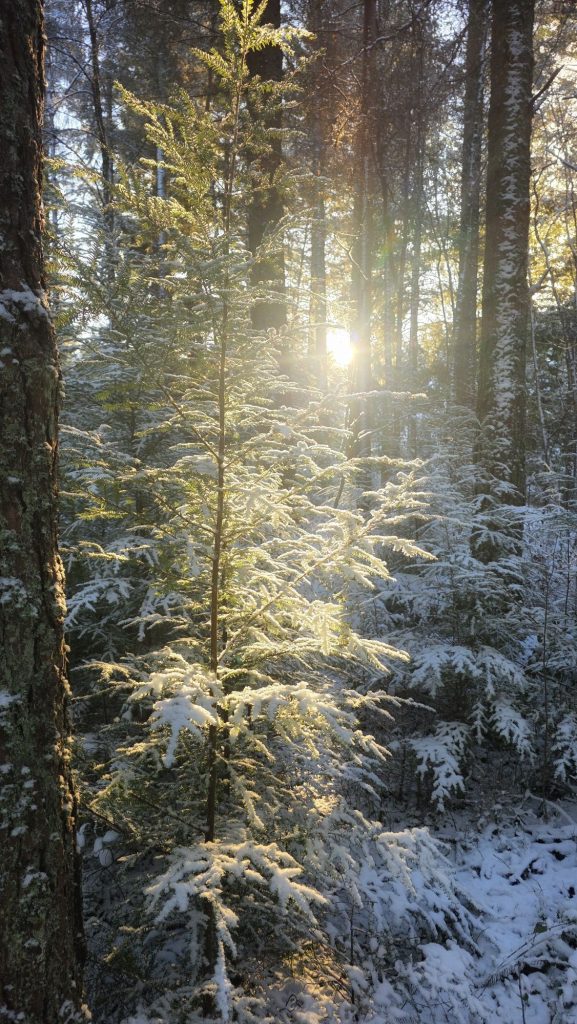
I explored areas I had never visited beyond Inverness. Coastal stretches where the sea looked iron grey and unwelcoming. Forests so thick with snow they resembled something pulled from a children’s book. It genuinely looked like Narnia at one point, snow drifted between pine trunks, branches bowed low, the world hushed and luminous in crystalline air.
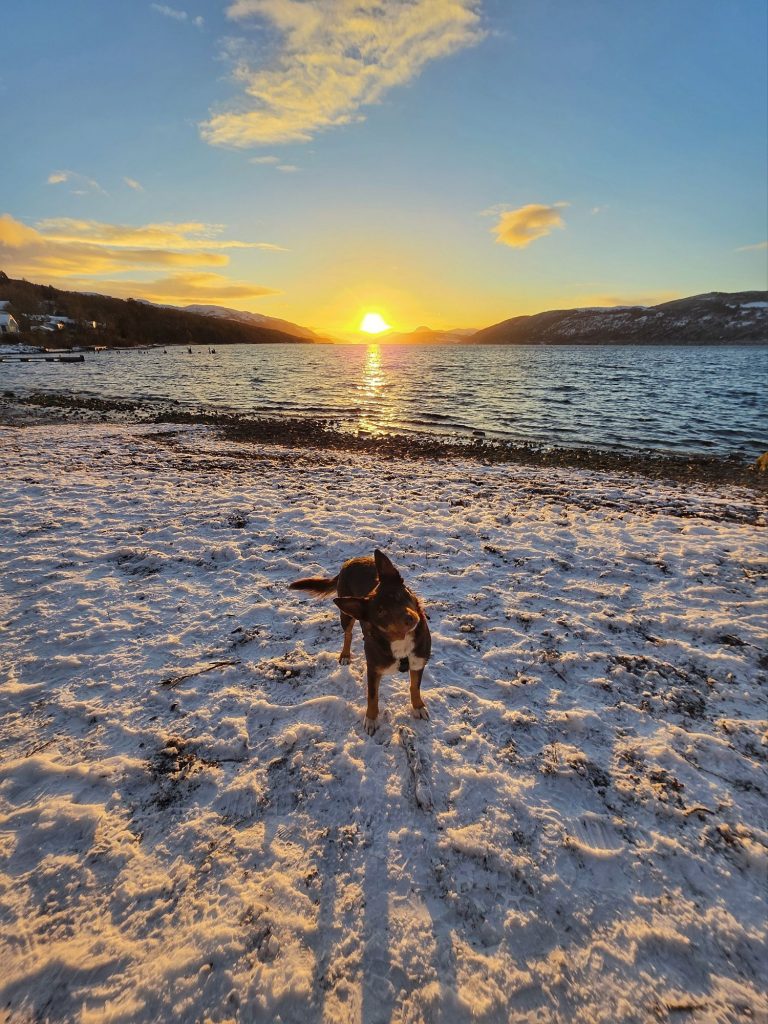
I dipped in Loch Ness one morning, the sun on my skin, steam rising from my shoulders as I climbed out. Later that week I slipped into rivers and the sea. Cold water in winter is not about bravado, it is about recalibration. Your nervous system cannot catastrophise when it is negotiating with temperatures that demand you pay complete attention.
I stopped at the Clootie Well while I was there. There are moments when you realise that what unsettled you was not just disappointment. It was the sudden understanding that someone had been prepared to let you carry the consequences of their withdrawal alone.
So I did.
I tore a strip from something I no longer needed and tied it quietly to a branch. Not theatrically, not angrily, just deliberately. Old business. Old weight. Old attachment. I did not need a ceremony, but I appreciated the symbolism. And then, without looking back, I kept walking.
Why I Left
People often assume that leaving like this must be an escape, a reaction, or a dramatic severing.
It was not.
I have lived this way before for years. I know how to ration food, how to stay warm, how to read weather, and how to exist without constant conversation. This is not rebellion: it is familiarity.
I left because I wanted to hear myself think again, because performance had begun to creep in around the edges of my life. Because I had felt myself negotiating too much, explaining too much, shrinking in small, almost invisible ways.
Because winter in Scotland strips everything back to structure and bone, and I needed that. And how I will miss it; even now I wish the winter would stay.
The snow does not care who you were dating. The loch does not care about your professional persona. The standing stones do not care about your social media metrics. They simply exist; and in their existence, they invite you to do the same.
By the time I turned the vehicle north west, supplies still plentiful, dog content, maps annotated with fresh pencil marks, I felt something close to steadiness.
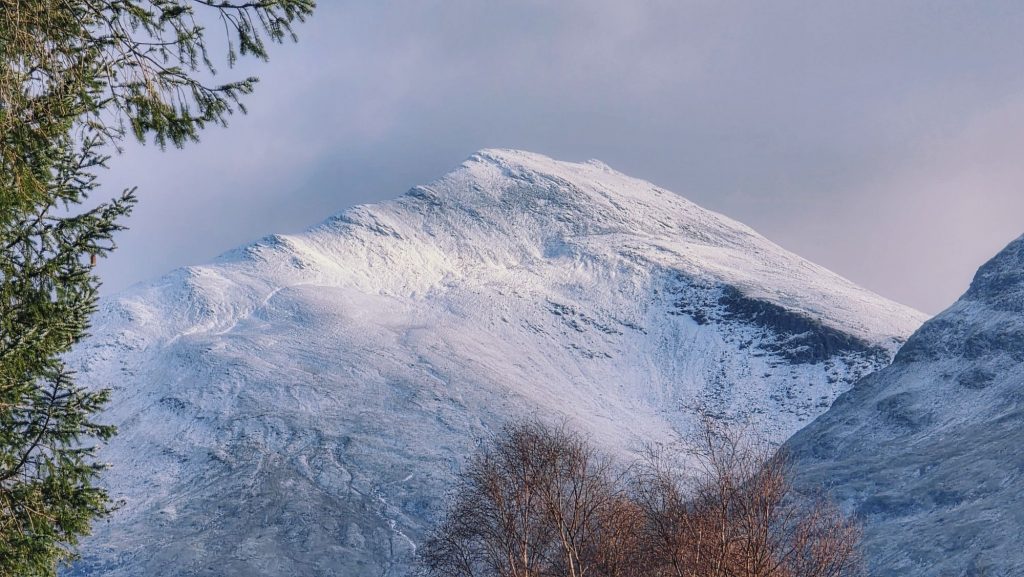
The road ahead would prove more complicated than I anticipated. There are mountains in the north west that do not tolerate complacency. There is a stretch of single track that would hold me longer than planned while it tested me completely in body and mind.
But that is for another instalment.
For now, December was about remembering that leaving is not always running away. Sometimes it is simply returning to the version of yourself that breathes better in cold air, under pine trees, with snow falling so quietly it feels like forgiveness, even if you can’t quite muster that yet yourself.
No responses yet