Separating wellness fact from fiction
Read on or listen here:

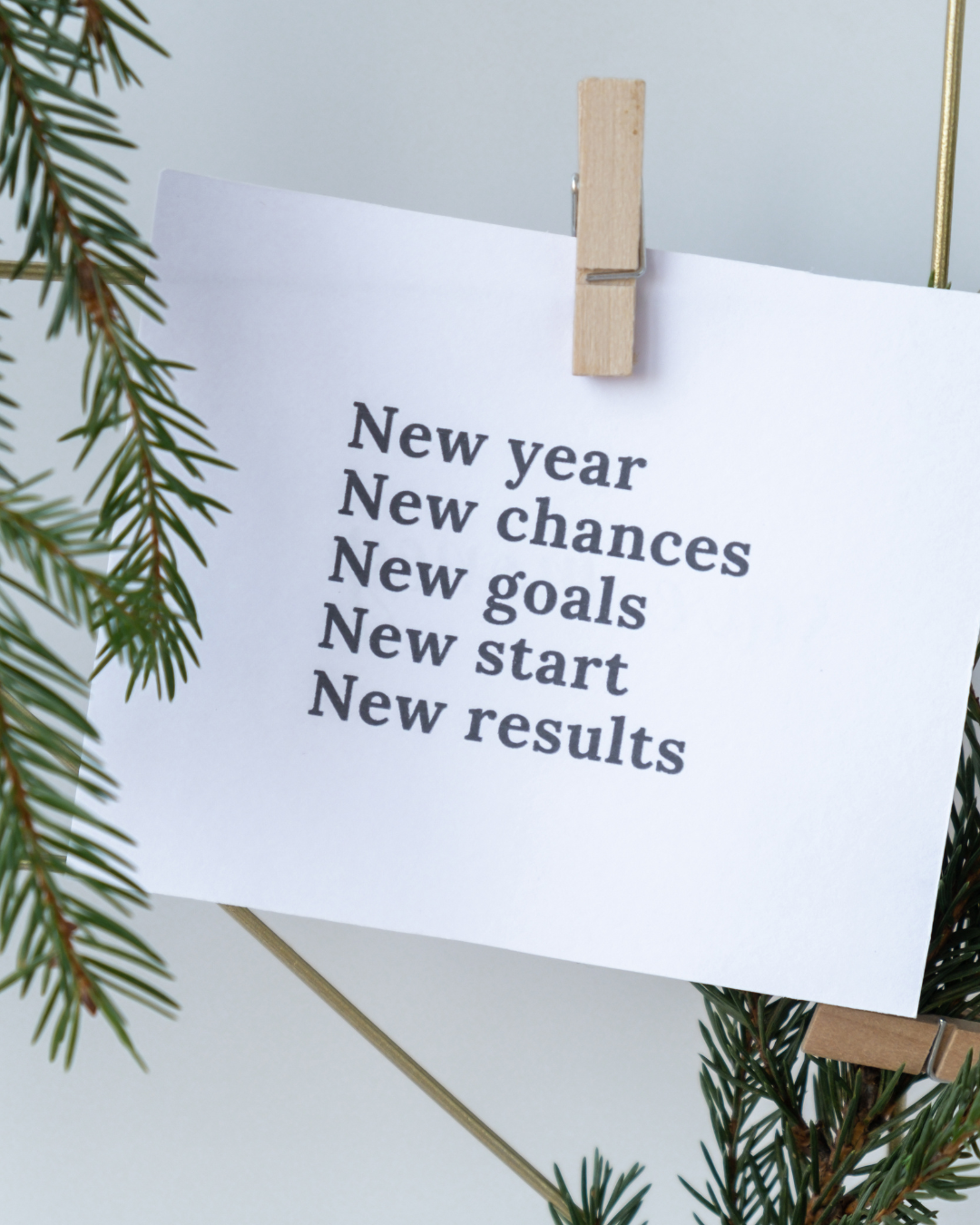
There’s something quietly desperate about the turn of a calendar page. One moment we’re reaching for another Quality Street on Boxing Day, and the next we’re being told we need to become an entirely different person by February. That we should be rising at 5 a.m. for cold plunges and green smoothies, smashing personal bests before breakfast, and transforming ourselves through sheer force of will and a substantial credit card bill.
The wellness industry knows this desperation intimately. It counts on it. Every January, we’re presented with a glittering array of promises. New year, new you. Transform your body in 28 days. Hack your way to happiness. Join the 5 a.m. club. Subscribe to the cleanse. Purchase the programme. Commit to the challenge.
And we do. We make wild promises to ourselves, grand declarations of transformation. We’re going to exercise every single day. We’re going to meal prep like Instagram tells us champions do. We’re going to meditate for an hour each morning, journal our gratitude, track our macros, optimise our sleep, and finally, finally become the person we’re supposed to be.
Then somewhere around 17th January (or 3rd, if we’re being honest), it all falls apart. We miss a workout. We order takeaway. We sleep through the alarm. And rather than adjusting our approach, we spiral into a familiar shame cycle. We’ve failed. Again. We’re weak, undisciplined, lacking willpower. We clearly don’t want it enough.
But here’s what nobody’s telling you in their glossy marketing campaigns: perhaps the real failure isn’t yours. Perhaps it’s the entire framework we’ve been sold.
The Hustle Culture Hijacking
Somewhere along the way, wellbeing got tangled up with productivity. Rest became something you had to earn through sufficient output. Movement transformed from joy into punishment for existing in a body. Self-care morphed into a competitive sport where the person with the most elaborate routine wins some undefined prize.
Research in behavioural psychology consistently shows that dramatic, restrictive changes rarely stick beyond a few weeks. Yet every January, we’re encouraged to overhaul our entire existence simultaneously. Start exercising intensely, change your diet completely, wake earlier, meditate longer, work harder, be better, do more.
The language of wellness has borrowed heavily from business culture. We “invest” in ourselves. We “optimise” our routines. We “hack” our biology. We track metrics, set aggressive targets, and measure our worth by our ability to maintain punishing schedules that look suspiciously like the very things we’re supposedly trying to heal from.
There’s an uncomfortable truth hiding in plain sight: much of what passes for wellness culture is actually just capitalism wearing yoga trousers.


The Guilt Industrial Complex
The wellness industry doesn’t just sell us products and programmes. It sells us guilt. It profits from the gap between who we are and who we’re told we should be.
Consider the messaging. You’re not exercising enough. You’re eating the wrong things. You’re not sleeping properly. You’re too stressed. You’re not trying hard enough. You’re letting yourself go. You’re wasting your potential.
And conveniently, for each manufactured inadequacy, there’s a product promising redemption. A subscription service offering salvation. A course guaranteeing transformation.
The psychological mechanism at play is straightforward: create a problem, offer a solution, ensure the solution is difficult enough that failure is likely, then sell the next solution when the first one inevitably doesn’t deliver on its promises. This isn’t support. It’s manipulation dressed in motivational language.
The Biology of Broken Promises
Let’s talk about what actually happens when we make dramatic January transformations. Your body isn’t designed for overnight revolution. It’s designed for gradual adaptation.
When you suddenly restrict calories severely, your metabolism panics. It thinks resources are scarce, so it becomes more efficient at storing energy. This is basic survival biology, not moral failing.
When you go from sedentary to exercising intensely every day, your body needs recovery time to adapt. Ignoring this doesn’t make you dedicated. It makes you injured. Or burnt out. Or both.
The research on habit formation is clear. Sustainable change happens through small, consistent actions repeated over time, not through dramatic overhauls maintained through sheer determination. A study in the European Journal of Social Psychology found the average time for a new behaviour to become automatic was 66 days, varying widely between individuals. Some simple habits took 18 days. Others took 254 days.
Imagine if wellness culture admitted this. Imagine if, instead of promising transformation in 28 days, we were told that meaningful change might take eight months of gentle, consistent practice. Would you buy that programme? Would it go viral on social media? Probably not. And that’s exactly the problem.

The Extraordinary Claims Racket
If something sounds too good to be true, it usually is. Yet every January, we’re confronted with before-and-after photos, testimonials from people who totally transformed their lives in three weeks, and products claiming to do what biology says shouldn’t be possible.
Lose a stone in a week. Abs in 28 days. Completely rewire your brain in 21 days. Boost your metabolism by 400%. Cleanse toxins your liver apparently can’t handle.
These aren’t just misleading. They’re harmful. They set expectations that real bodies, operating under actual biological constraints, cannot meet. Then when you fail to achieve the impossible, you blame yourself rather than recognising you were sold fantasy dressed as science.
A Different Kind of Truth
I need to tell you something. I’ve been exactly where you might be right now. I’ve overcome more than one serious illness. I went from expedition leader to having to leave my career due to fibromyalgia. From triathlon fit to overweight, unable to use my right arm after breast lumpectomy surgery.
I’ve also rebuilt. I regained my strength and rejoined the competitive strongwoman world. But I’m still far from where I want to be. My life is regimented around a serious training and nutrition plan because I live what I teach. And here’s the crucial bit: I’m privileged to have the capacity to do this. Most people don’t. And most wouldn’t want to either.
You have to love it. Otherwise your life would be miserable, and that’s not what this is about.
So you need to do you. Full stop. Not copy anyone else. Not copy me. Not copy the influencer with the perfect morning routine or the fitness enthusiast who thrives on 5 a.m. workouts. What works for them, what works for me, might be completely wrong for you.
What Actually Works
What does evidence-based behaviour change look like when stripped of marketing hyperbole? It’s almost embarrassingly simple. Almost boring. Which is precisely why it doesn’t make headlines or go viral.
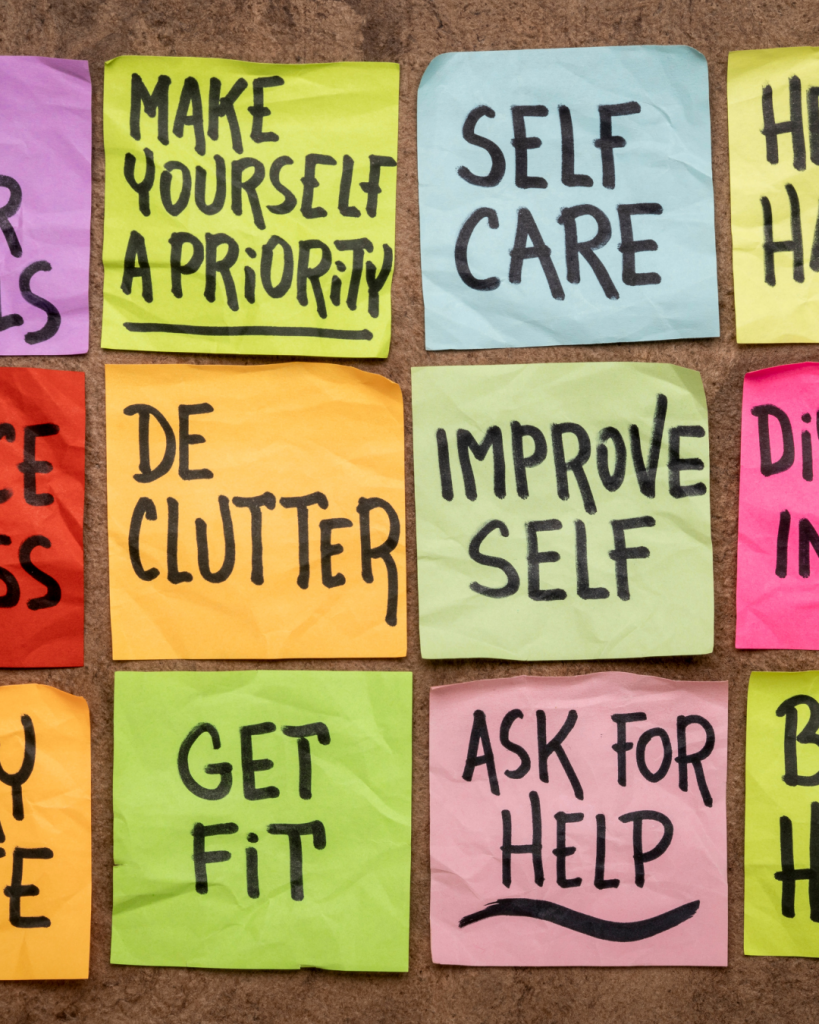
Start small. Laughably small. Want to exercise more? Begin with five minutes. Yes, just five. Want to eat better? Add one vegetable to one meal. Want to meditate? Try two minutes. The goal isn’t transformation on Tuesday. The goal is building a sustainable practice that becomes part of your life rather than a temporary performance.
Focus on addition before subtraction. Before you restrict anything, add in supportive practices. Add movement you actually enjoy. Add foods that make you feel good. Add rest that genuinely restores you. Restriction triggers scarcity responses. Addition builds from abundance.
Connect change to meaning rather than aesthetics. The strongest motivations for sustainable behaviour change aren’t about how you look. They’re about how you feel, what you value, and who you want to become. Exercise because moving your body feels good, not because you hate how it looks.
Expect the path to be non-linear. Some weeks will be easier than others. Life will interfere. Circumstances will change. This isn’t failure. This is being human in a complex world.

Realistic Expectations
Real change takes time. Sustainable transformation happens over months and years, not weeks. Your body will change gradually. Your habits will develop slowly. Your relationship with yourself will evolve through countless small moments of choosing differently.
This isn’t sexy. It won’t make a dramatic social media post. It won’t become a trending hashtag. But it works.
You’ll have days when you can’t maintain your practices. You’ll make choices that don’t align with your intentions. You’ll find yourself back at square one occasionally. This doesn’t mean you’ve failed. It means you’re human.
Navigating the Noise
How do you navigate wellness culture without getting caught in its manipulative currents?
Question everything that promises rapid transformation. Real change takes time. If someone’s selling instant results, they’re not selling you truth.
Notice when information makes you feel inadequate. Genuinely supportive content informs and empowers you. Manipulative content makes you feel broken so you’ll buy the fix.
Distinguish between discomfort and harm. Beneficial challenge feels uncomfortable but doable. Harm feels like punishment, exhaustion, or an override of your body’s clear messages to stop.
Trust your own experience over external authority. You know your body better than any influencer or programme creator. If something consistently makes you feel worse, it’s not right for you, regardless of how many people claim it changed their life.
The Freedom in Letting Go
Here’s the liberating truth: you don’t owe anyone a transformation. You don’t need to become a new you. The old you, the current you, the you reading this right now, is already enough.
Improving how you care for yourself isn’t about fixing fundamental brokenness. It’s about supporting the body and mind you already have. About creating conditions where you can thrive rather than merely survive.
This means releasing the guilt that’s been weaponised against you. You haven’t failed at being human. You’ve simply been set impossible standards by industries that profit from your perceived inadequacy.
It means rejecting the narrative that wellness is a luxury you have to earn or a performance you have to perfect. Movement, rest, nourishment, connection to nature – these aren’t privileges for the already-perfect. They’re basic human needs, available to you exactly as you are.

A Different Kind of Beginning
So as January unfolds and the wellness industrial complex reaches its annual fever pitch, perhaps consider a different approach. Don’t make wild promises to yourself. Don’t commit to dramatic transformation. Don’t buy into programmes that require you to become someone else.
Instead, simply notice. Notice what your body needs. Notice what brings you genuine satisfaction rather than temporary distraction. Notice the difference between marketing narratives and your lived experience.
Then perhaps, if it feels right, make one small, sustainable adjustment. Not because you’re broken and need fixing, but because you deserve to feel well. Not because you’re starting over, but because you’re continuing the ongoing practice of caring for yourself.
The wild doesn’t transform dramatically overnight. It shifts with the seasons, adapts gradually, and trusts its own rhythms. You’re no different. You’re part of that same wild nature, worthy of the same gentle, sustainable attention.
Over the coming weeks, I’ll be unpacking some of the specific wellness and fitness trends you’re likely to encounter this January. We’ll look at hustle culture, protein mythology, creatine claims, diet culture’s latest disguises, and anything calling itself a “hack” that promises extraordinary results. Consider this your invitation to approach the noise with clearer eyes and kinder standards for yourself.
No responses yet